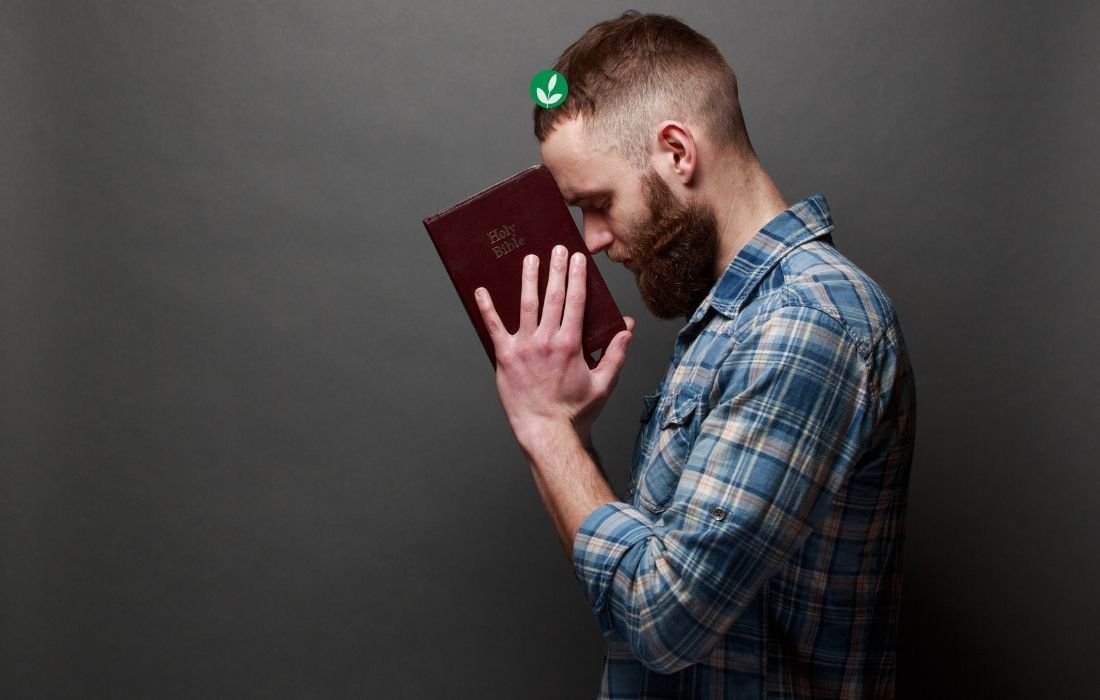
In life, we all go through seasons that test our faith, strain our relationships, or leave us feeling overwhelmed and spiritually dry. During those times, many believers wonder: Should I seek counseling? Is it okay to ask for help? The truth is, reaching out for biblical counseling is not a sign of weak faith—it’s a courageous step toward healing, wisdom, and deeper intimacy with God.
Biblical counseling is rooted in Scripture and grounded in the belief that God’s Word speaks powerfully to every area of life. It provides spiritual, emotional, and relational guidance through a Christ-centered lens. But how do you know when it might be time to seek it out? Let’s look at five clear signs that biblical counseling could be the next right step—and what to expect when you begin.
1. You Feel Spiritually Stuck or Distant from God
If your prayers feel empty, your Bible reading feels dry, or your faith seems distant, you’re not alone. Spiritual dryness happens, but when it lingers, it can signal a deeper issue. Maybe you’re wrestling with doubt, anger at God, or unresolved sin.
Biblical counseling helps uncover the root causes of spiritual disconnection. With Scripture and prayer at the center, a counselor can help you rebuild spiritual habits, realign your heart, and rekindle your relationship with God.
What to expect: Your counselor will guide you through Scripture-based conversations, prayer, and practical steps to help you re-engage with God and restore your spiritual vibrancy.
2. You’re Struggling to Navigate Emotional Pain
Emotions like grief, anxiety, depression, or chronic anger can feel paralyzing. While feelings are a normal part of life, when they begin to dominate your thoughts or control your actions, it’s time to seek support.
Biblical counseling doesn’t just label emotions—it helps you understand and process them through a biblical framework. You’ll learn how to bring your pain to God, what Scripture says about your struggles, and how to walk in emotional freedom.
What to expect: You’ll explore both the emotional and spiritual sides of your pain. Expect compassion, Scripture-centered wisdom, and practical coping strategies anchored in God’s truth.
3. Your Relationships Are Tense, Broken, or Toxic
God created us for connection, but sin often complicates our relationships. Whether it’s conflict in your marriage, ongoing tension with a parent, or difficulty forgiving a friend, unresolved relational pain can affect every area of your life.
A biblical counselor can help you navigate these complex relationships with grace and truth. They’ll guide you through biblical principles for communication, boundaries, forgiveness, and reconciliation.
What to expect: Counseling may include joint sessions (such as marriage counseling) or individual work on communication and conflict resolution. You’ll gain tools rooted in Scripture to restore peace and clarity.
4. You Feel Overwhelmed by Life Decisions or Transitions
Whether you’re facing a career crossroads, family change, financial stress, or a major life transition, uncertainty can leave you feeling stuck and anxious. These seasons often prompt big spiritual questions and a need for guidance.
Biblical counseling offers more than advice—it helps you discern God’s direction and walk in wisdom. Through prayerful listening and scriptural insight, a counselor can help you find clarity and courage to move forward.
What to expect: Sessions may include spiritual inventories, reflective journaling, and Scripture study to help you seek God’s will. The goal isn’t quick fixes, but Christ-centered discernment.
5. You’re Trapped in Cycles of Sin or Shame
When a pattern of sin keeps repeating—whether it’s addiction, secrecy, bitterness, or sexual sin—it can feel like there’s no way out. Shame often compounds the issue, making you feel unworthy of grace.
Biblical counseling brings light into those dark places. It reminds you that transformation is possible through Christ. A counselor can help you break free from destructive cycles and walk in the freedom and forgiveness God offers.
What to expect: You’ll work through honest confession, Scripture-based accountability, and heart-level repentance. Counseling becomes a place of hope, not condemnation.
What Biblical Counseling Is (and Isn’t)
Biblical counseling is different from secular therapy. While it may use similar techniques like active listening or cognitive reframing, its foundation is always the Bible. It’s not about self-help; it’s about Christ-centered transformation.
It isn’t a substitute for medical care or clinical diagnosis when those are needed. Instead, it complements those resources by addressing the spiritual roots of emotional and relational struggles.
Expect your counselor to:
- Pray with and for you
- Point you to Scripture
- Encourage heart change, not just behavior change
- Walk alongside you with grace and truth
Final Encouragement
Seeking biblical counseling isn’t a sign of failure—it’s a step of faith. We all have moments when we need help seeing clearly, healing deeply, or walking obediently. God often uses wise, trained believers to come alongside us in those moments.
If you see yourself in any of the signs above, consider reaching out. There’s hope, healing, and freedom on the other side of that first step. You don’t have to walk this road alone—and you weren’t meant to.